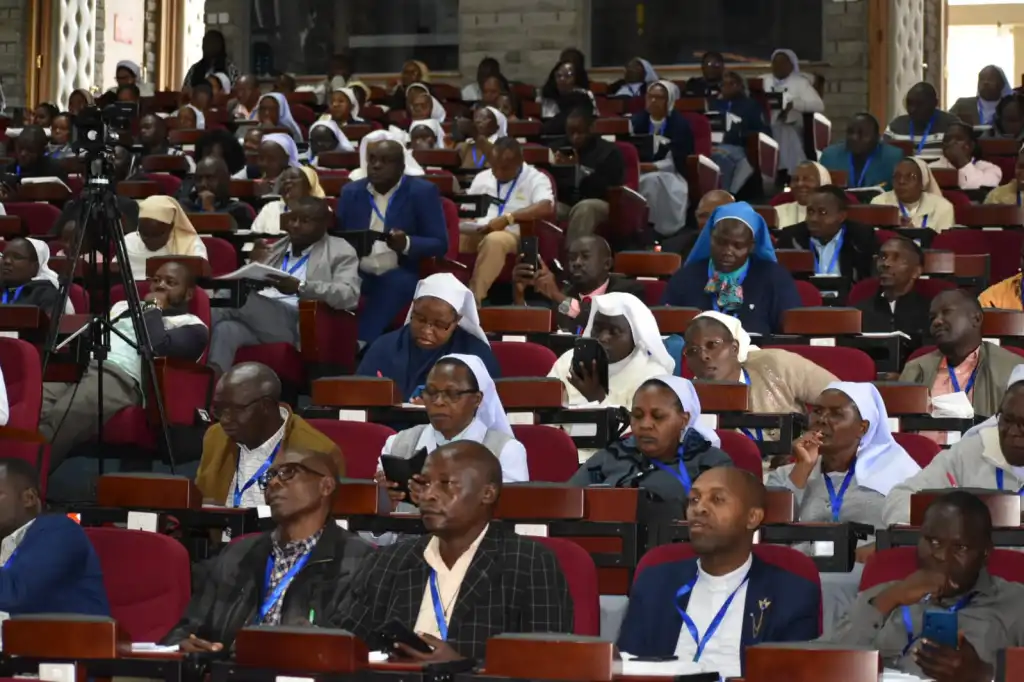
Catholic school leaders from across Kenya gathered at the Catholic University of Eastern Africa for the 12th Catholic Private Educational Institutions Association of Kenya (CaPEIA-K) National Capacity Building Conference, where they were urged to embrace an “Easter vision” of education rooted in faith and driven by purpose.
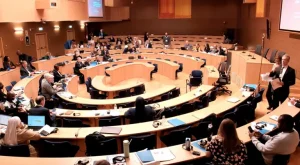
The conference, convened by the Catholic Private Educational Institutions Association of Kenya, brought together bishops, clergy, education secretaries, and heads of Catholic institutions to reflect on the role of faith-based education in a rapidly changing social and moral landscape.
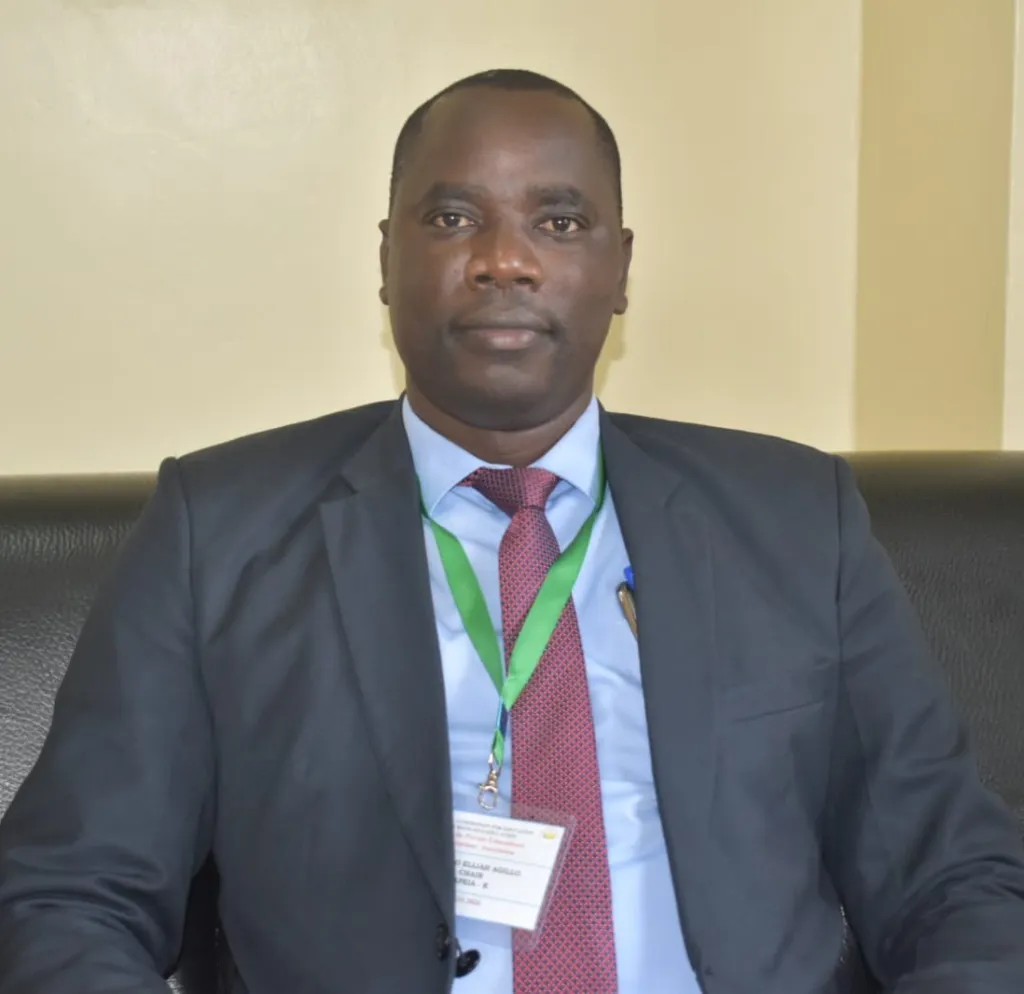
Opening the conference, Br. Elijah Agilo, Chairperson of the CaPEIA National Executive Committee, described the gathering as historically significant, noting that it was the first time the annual meeting was being held during the Easter Octave—a liturgical season that celebrates the Resurrection of Christ and symbolizes renewal and hope.
He explained that this timing provided a unique opportunity for Catholic educators to reframe their mission, moving from Lenten reflection to Easter action by embracing joy, resilience, and renewed commitment in their leadership.
Positioning the theme “Catholic Schools: Rooted in Faith, Rising with Purpose” as both a strategic and spiritual compass, Br. Agilo challenged school leaders to go beyond administrative duties and rediscover their apostolic identity.
“Our mission is not merely to manage buildings or budgets,” he said. “We are called to enlighten society by forming young people entrusted to our care.”
He further called on educators to embody what he termed the “Easter smile”—a visible expression of hope anchored in the Risen Christ—urging them to lead institutions with renewed energy and purpose.
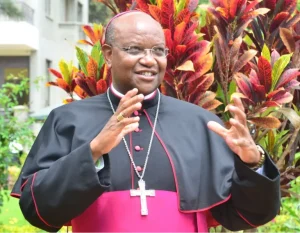
The event was attended by key Church leaders, including Bishop Henry Juma Odonya, alongside senior officials from the Kenya Conference of Catholic Bishops, underscoring the Church’s commitment to strengthening Catholic education nationwide.
Br. Agilo emphasized that Catholic education must respond to contemporary challenges by forming learners holistically—intellectually, spiritually, and morally—rather than focusing solely on academic performance.
Drawing on the insights of Myles Munroe, he stressed the importance of helping students discover their purpose in life, noting that education should guide learners toward fulfilling their God-given vocation.
“We are not just preparing them for exams; we are preparing them for their God-given destiny,” he said.
His remarks echoed recent teachings by Pope Leo XIV, who has cautioned against reducing education to “soulless efficiency,” instead advocating for integral human formation that engages the mind, heart, and hands.

Br. Agilo also highlighted the growth of CaPEIA-K, which now has over 1,300 member schools, and outlined key priorities for the association, including expanding membership, strengthening participation, and reconnecting with institutions that have disengaged.
He called on delegates to actively contribute to shaping the future of the association by identifying non-member schools and fostering unity within the Catholic education network.
Concluding his address, Br. Agilo invoked Jeremiah 29:11, affirming that Catholic education remains anchored in God’s plan to offer hope and a future to every learner.
The conference continues with a series of capacity-building sessions aimed at equipping educators with practical and spiritual tools to navigate emerging challenges in the education sector.
By Rose Achiego Ande