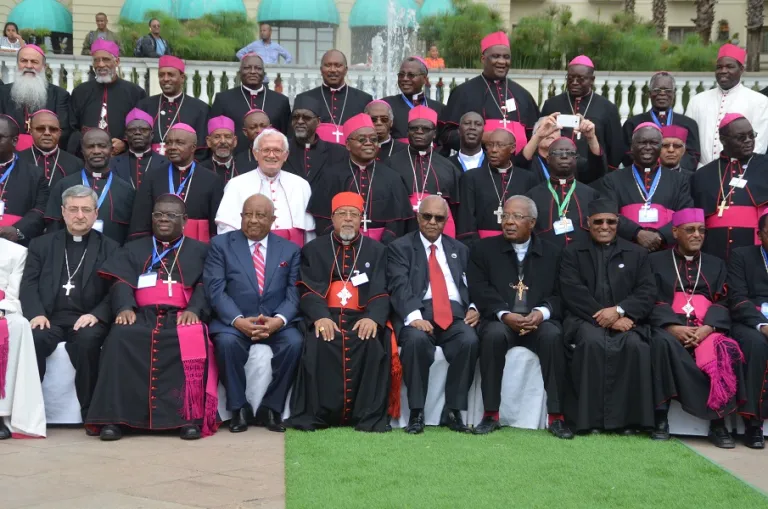
Kenya is poised to take a central place in the life and mission of the Church in Eastern Africa as it prepares to host the 21st Plenary Assembly of the Association of Member Episcopal Conferences of Eastern Africa. The gathering will bring together bishops and delegates from across the region for prayer, reflection, dialogue, and pastoral discernment.
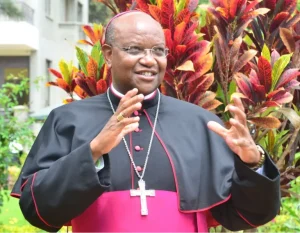
In a message marked by pastoral depth and hope, Most Rev. Maurice Muhatia Makumba, Chairman of the Kenya Conference of Catholic Bishops, and the Archbishop of the Catholic Archdiocese of Kisumu described the forthcoming assembly as both a privilege and a sacred responsibility for Kenya and her faithful.
“This is a moment of grace for our country,” he said, noting that Kenya will welcome delegates from Sudan, South Sudan, Ethiopia, Uganda, Tanzania, Malawi, Zambia, as well as associate members Djibouti and Somalia. The assembly will be held in Nairobi from July 17 to July 26, 2026.

A Shared Pastoral Vision
Founded to strengthen collaboration among episcopal conferences in Eastern Africa, AMECEA remains a vital instrument of communion and coordinated pastoral action. Archbishop Muhatia emphasized that beyond geographical proximity, member countries share common social realities and pastoral concerns that call for a united and faith-driven response.
“At its core, AMECEA is about evangelization with clarity, focus, and purpose,” he affirmed, underscoring the importance of addressing regional challenges in a spirit of unity.
He further highlighted the enduring legacy of AMECEA, particularly in nurturing Small Christian Communities (SCCs), which since the 1970s have become a defining expression of Church life in the region. Rooted at the grassroots, these communities embody a participatory Church where laity, clergy, and religious walk together in faith and mission.
Youth: The Living Hope of the Church
A central focus of the upcoming plenary assembly will be the meaningful engagement of young people in the life and mission of the Church. Archbishop Muhatia stressed the urgency of empowering youth as active participants in the transmission of faith and in shaping the Church of today and tomorrow.
“The Church must intentionally create space for young people,” he said. “They are not only the future of the Church—they are its present reality.”
A Convergence of the People of God

The plenary assembly will bring together a rich and diverse representation of the People of God, including bishops, priests, religious men and women, lay faithful, youth representatives, and professionals from Catholic institutions.
According to Rt. Rev. Charles Kasonde, Chairman of AMECEA, and the Bishop of the Catholic Diocese of Solwezi, Zambia, the assembly will be guided by the theme: “Building Bridges of Communion, Hope, Justice, and Good Governance.”
“This plenary is a fountain of hope,” Bishop Kasonde said. “It offers us a moment to reflect, to listen attentively, and to discern how best we can serve our people and strengthen our communities.”
The sessions will be hosted at the Catholic University of Eastern Africa, with the opening Mass scheduled at Green Park. The official proceedings will run from July 19 to July 26, culminating in a closing Eucharistic celebration.
Reading the Signs of the Times
Bishop Kasonde noted that the assembly will engage deeply with pressing issues affecting the region, including governance, justice, and the aspirations of young people.
“We are witnessing a strong desire among the youth for accountability, the rule of law, and justice,” he observed. “As Church, we are called to nurture this hope and guide it towards building just and cohesive societies.”
The plenary will also contribute to the ongoing synodal journey of the Church, fostering a spirit of listening, participation, and shared responsibility among all the faithful.
From Reflection to Mission

A defining hallmark of AMECEA plenary assemblies is their commitment to implementation. The resolutions and pastoral orientations emerging from the gathering will be disseminated through episcopal conferences and translated into action at diocesan, parish, and Small Christian Community levels.
“This is not merely a meeting,” Bishop Kasonde emphasized. “It is a movement of renewal whose fruits will be shared across all levels of the Church and with all people of goodwill.”
A Call to Hospitality and Participation
Archbishop Muhatia concluded with a call to all Kenyans to embrace their role as gracious hosts and active participants in this historic ecclesial moment.
“The success of this assembly belongs to all of us,” he said. “With the support of the faithful across our dioceses, we are confident that Kenya will provide a welcoming and spiritually enriching environment for this important gathering.”
As Nairobi prepares to receive the region, the AMECEA Plenary Assembly stands as a moment of ecclesial convergence—where communion is deepened, mission renewed, and hope rekindled for the Church in Eastern Africa.
Background: The Journey and Significance of AMECEA Plenary Assemblies

The Plenary Assembly of the Association of Member Episcopal Conferences of Eastern Africa is the highest decision-making organ of the regional ecclesial body. It is convened periodically to foster discernment, strengthen communion, and renew the Church’s mission across Eastern Africa.
Established in 1961 in the spirit of the Second Vatican Council, AMECEA reflects the Church’s call to collegiality among bishops and to a more contextualized and missionary approach to evangelization. The bishops of the region came together to form a platform capable of addressing shared pastoral challenges while deepening unity across nations.
Since its inception, the plenary assembly has been held approximately every four years, rotating among member countries. It brings together bishops, clergy, religious, and lay representatives to reflect on the “signs of the times” and to discern a common pastoral direction.
Over the years, these assemblies have profoundly shaped the pastoral landscape of Eastern Africa. Among their most significant contributions is the promotion of Small Christian Communities (SCCs) as the foundational model of Church life—an approach that continues to anchor evangelization at the grassroots.
AMECEA plenaries have also addressed critical social and moral issues, including poverty, peacebuilding, governance, interreligious dialogue, and public health challenges such as HIV/AIDS. In recent times, particular attention has been given to youth engagement and the evolving dynamics of communication in the digital age.
Increasingly, the assemblies are aligned with the Church’s global synodal journey, emphasizing listening, participation, and co-responsibility. This vision reinforces AMECEA’s enduring commitment to a Church that walks together in communion and mission.
The fruits of each plenary assembly extend far beyond the gathering itself. Pastoral resolutions are shared and implemented at national, diocesan, and parish levels, reaching Small Christian Communities and individual faithful—ensuring that the deliberations bear lasting impact.
As Kenya prepares to host the 21st Plenary Assembly, it steps into a living tradition of ecclesial collaboration and renewal—a journey of faith that continues to shape a Church rooted in communion, responsive to its context, and steadfast in hope.
By Rose Achiego Ande